
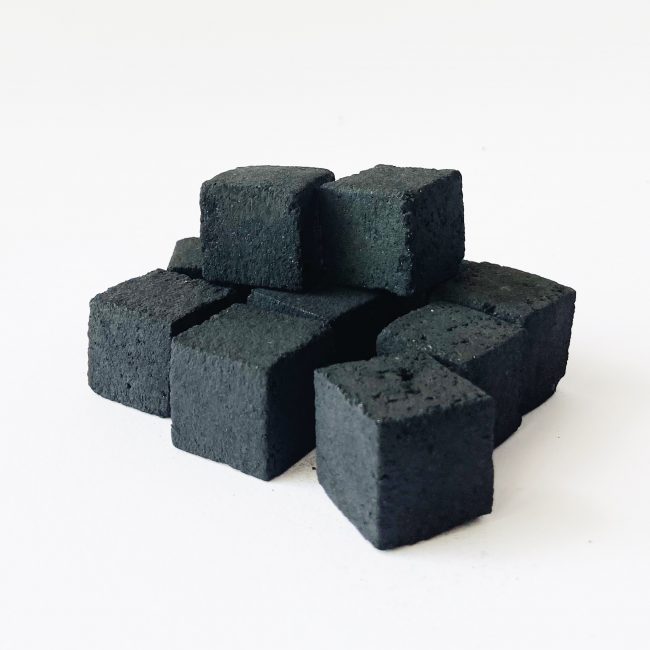
High grade coconut shell charcoal briquettes the increasing global demand for environmentally sustainable and high-efficiency fuel sources has driven the popularity of coconut shell charcoal briquettes. These briquettes, made from waste coconut shells, are gaining traction as an eco-friendly alternative to traditional charcoal and other fuels. With their unique combination of high calorific value, low ash content, and minimal environmental impact, they are particularly well-suited for various applications, including grilling, barbecuing, shisha, and industrial uses. In this comprehensive article, we’ll explore the key points that make high-grade coconut shell charcoal briquettes a preferred choice in the global market.
1. What Are High-Grade Coconut Shell Charcoal Briquettes
Definition: High-grade coconut shell charcoal briquettes are solid, compact blocks made from the carbonized shells of coconuts. They are created by subjecting coconut shells to a process of carbonization, grinding, and compression to produce a clean-burning, efficient fuel.
- Raw Material: The primary ingredient is coconut shells, a by-product of the coconut industry, which is abundantly available in tropical regions. By using coconut shells, the production of these briquettes helps in waste reduction, creating a circular economy where waste material is repurposed for energy production.
- Eco-Friendly Nature: Because the briquettes are derived from renewable biomass, they are considered more sustainable than traditional wood-based charcoal, which contributes to deforestation.
2. The Production Process
The production of coconut shell charcoal briquettes involves several steps, each designed to ensure maximum energy output and minimal environmental impact.
- Carbonization: The coconut shells are carbonized in an oxygen-reduced environment at high temperatures. This process transforms the shells into charcoal by burning off volatile compounds, leaving behind pure carbon, which is the primary fuel component.
- Grinding: After carbonization, the coconut shells are ground into a fine powder to ensure even consistency. This ensures that when the powder is compressed into briquette form, it retains its shape and provides uniform performance.
- Binding and Shaping: Natural binders, such as starch or cassava, are mixed with the charcoal powder to help hold the briquettes together. The mixture is then compressed under high pressure to form briquettes in various shapes, such as cubes or pillows, depending on the intended application.
- Drying: After pressing, the briquettes are dried to reduce moisture content, ensuring they burn efficiently without producing excessive smoke.
3. Key Features of High-Grade Coconut Shell Charcoal Briquettes
High-grade coconut shell charcoal briquettes offer several key advantages over traditional charcoal and other fuels. These features include:
- High Calorific Value: Coconut shell charcoal briquettes have a higher calorific value compared to traditional wood charcoal, which means they produce more heat for longer periods. This makes them more efficient and cost-effective as less fuel is needed to achieve the desired heat output.
- Low Ash Content: One of the most significant benefits is their low ash content. After burning, coconut shell charcoal briquettes leave behind only 2-3% ash, compared to the 8-10% left by regular charcoal. This makes them cleaner to use and easier to dispose of, making them especially suitable for indoor or semi-enclosed environments.
- Long Burn Time: Due to their high density and uniform composition, coconut shell briquettes burn for much longer than traditional charcoal. This feature is particularly valued in applications like shisha, barbecuing, and industrial heating, where a consistent, long-lasting heat source is necessary.
- Minimal Smoke and Odor: Coconut shell charcoal briquettes produce minimal smoke and odor when burned, making them ideal for cooking and grilling without imparting unpleasant smells to the food. This also makes them suitable for indoor use, such as in shisha lounges or homes with limited ventilation.
- Uniform Size and Shape: High-grade coconut shell charcoal briquettes are produced in standardized shapes and sizes, ensuring consistent performance. This uniformity is particularly important in commercial applications like restaurants or industrial processes where predictable heat output is essential.
4. Applications of Coconut Shell Charcoal Briquettes
Due to their unique properties, coconut shell charcoal briquettes have a wide range of applications, both in domestic and industrial settings.
- Grilling and Barbecuing: Coconut shell briquettes are increasingly popular for outdoor cooking, including grilling and barbecuing. Their long burn time, high heat output, and low smoke production make them ideal for slow cooking and searing meats. Their consistent heat ensures evenly cooked food, and their low ash content minimizes cleanup.
- Shisha/Hookah: These briquettes are widely used in the shisha or hookah industry, particularly in the Middle East and Europe. Their clean burn, long-lasting heat, and minimal ash make them the preferred choice for shisha enthusiasts, as they don’t alter the flavor of the tobacco.
- Industrial Applications: In industries that require consistent high heat, such as ceramics, metal forging, and brick production, coconut shell charcoal briquettes are a reliable fuel source. Their high calorific value and long burn duration make them well-suited for industrial processes that demand steady, high-temperature heating.
- Home Heating: In regions where access to electricity or gas is limited, coconut shell briquettes can be used as an alternative fuel for home heating. Their efficiency and low smoke production make them a healthier choice compared to traditional wood or coal.
5. Benefits of Coconut Shell Charcoal Briquettes for the Export Market
The export market for high-grade coconut shell charcoal briquettes is growing, particularly in regions that are seeking eco-friendly and sustainable energy solutions.
- Sustainability: As a biomass product, coconut shell briquettes are a renewable energy source. Their production utilizes waste materials, contributing to environmental sustainability by reducing the need for logging and deforestation for traditional charcoal.
- Global Demand: There is a strong and growing demand for eco-friendly charcoal alternatives in international markets, particularly in Europe, North America, and the Middle East. These regions are increasingly focused on reducing carbon emissions and promoting sustainable practices.
- Compliance with Environmental Regulations: Coconut shell charcoal briquettes meet strict environmental regulations, including low emission standards, making them suitable for markets with stringent environmental policies.
- Cost-Effective: Due to their high efficiency and long-lasting performance, coconut shell charcoal briquettes offer a cost-effective fuel option for both consumers and industrial users. Their lower usage rate compared to traditional charcoal helps save on fuel costs over time.
6. Challenges in Exporting Coconut Shell Charcoal Briquettes
Despite the numerous benefits, there are challenges that exporters of coconut shell charcoal briquettes face.
- Supply Chain and Logistics: Transporting briquettes to international markets requires efficient logistics to ensure that the product remains intact and functional upon arrival. Packaging must be durable enough to protect the briquettes from damage during transit, and distribution channels must be streamlined to reduce delays.
- Market Competition: As the popularity of coconut shell briquettes increases, so does the competition. Manufacturers must ensure that their products meet high standards and certifications to differentiate themselves from other producers.
- Awareness and Education: While there is growing awareness of eco-friendly products, not all markets fully understand the benefits of coconut shell briquettes. Education and marketing efforts are crucial to highlighting the superior qualities of these briquettes over traditional fuel sources.
7. Why Choose High-Grade Coconut Shell Charcoal Briquettes?
Consumers and businesses alike are increasingly turning to coconut shell charcoal briquettes for their sustainability and performance.
- Environmental Impact: Choosing coconut shell briquettes over wood charcoal helps reduce deforestation and promotes the use of renewable resources.
- Performance: Their high heat output, long burn time, and low ash content make them a superior choice for both domestic and industrial use.
- Economic Benefits: Due to their efficiency, coconut shell briquettes are more economical in the long term, offering better value for both individual consumers and businesses.
High-grade coconut shell charcoal briquettes are a versatile, sustainable, and high-performance fuel option with growing demand in the global market. From grilling and shisha to industrial applications, these briquettes offer a cleaner, more efficient alternative to traditional fuels, with significant benefits for both users and the environment. As the world shifts towards more sustainable energy solutions, coconut shell charcoal briquettes are well-positioned to meet the needs of a greener future.

 ririn
ririn  Alan Ramadhani Setiawan
  rizqi
rizqi