
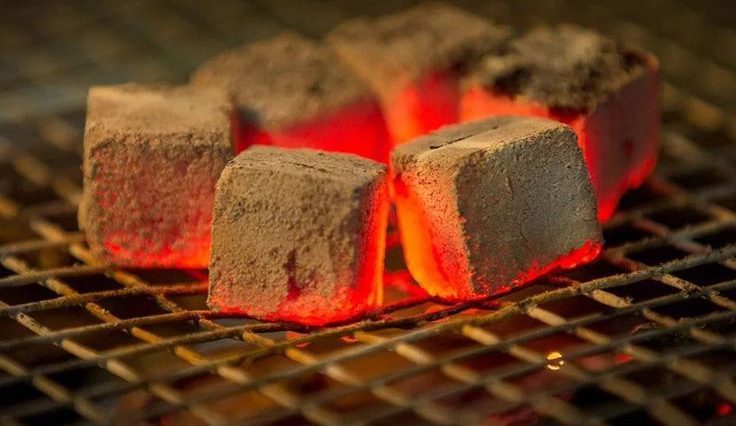
Food-grade low ash charcoal supplier has become a vital resource for professional kitchens, restaurants, and food manufacturers who prioritize hygiene, safety, and operational efficiency. Unlike conventional charcoal, these low ash products minimize residue, reduce smoke, and ensure cleaner combustion, making cooking safer and more efficient. Choosing food-grade options also supports compliance with international food safety regulations, which is increasingly important for businesses catering to global markets.
By using food-grade low ash charcoal, users benefit from predictable heat performance and cleaner cooking environments. Chefs can manage grilling, roasting, and other cooking processes more accurately, while kitchens experience less frequent cleaning and maintenance. This consistency also allows businesses to reduce fuel waste, optimize operational costs, and maintain a high standard of food quality.
Importance of Food-Grade Quality
Food-grade low ash charcoal ensures safe, hygienic, and efficient cooking for both commercial and household use.
Key Benefits
-
Minimal ash production for cleaner cooking surfaces
-
Free from harmful chemicals or additives
-
Consistent heat output for predictable cooking times
Maintaining high quality protects consumers and improves operational efficiency.
Controlled Production and Material Selection
The production process plays a crucial role in achieving low ash content and food-grade certification.
Production Practices
-
Sourcing high-quality coconut shells with minimal impurities
-
Precise carbonization to ensure uniform density and low ash content
-
Sanitary handling and packaging to prevent contamination
Partnering with a low ash coconut charcoal briquette supplier ensures reliable access to these high-quality products.
Operational Benefits for Users
Low ash charcoal improves cooking efficiency and reduces maintenance requirements.
Practical Advantages
-
Cleaner cooking surfaces and reduced kitchen cleanup
-
Stable and predictable heat output
-
Longer-lasting fuel, reducing the frequency of refills
These benefits save time, labor, and costs, enhancing overall kitchen productivity.
Supplier Reliability and Selection
Working with a dependable supplier guarantees quality, consistency, and uninterrupted fuel supply.
Evaluation Criteria
-
Proven experience in producing certified food-grade charcoal
-
Transparent quality control and batch documentation
-
Reliable logistics for timely deliveries
Choosing a low ash coconut charcoal briquette supplier supports long-term operational efficiency and food safety compliance.
Market Awareness and Industry Insights
Understanding industry standards, trends, and sustainability practices helps buyers make informed decisions.
Resources for Buyers
Platforms such as brangkas.id offer valuable insights into sustainable charcoal production, food-safe fuel standards, and market trends, helping buyers make informed and responsible sourcing decisions.
-
Updates on sustainable charcoal production
-
Insights into food-safe fuel standards
-
Market trends and supplier evaluations
Accessing these resources ensures informed procurement decisions and compliance with regulations.
Sustainability and Environmental Responsibility
Food-grade low ash charcoal also promotes eco-friendly practices through responsible sourcing.
Environmental Advantages
-
Reduced waste through efficient use of coconut shells
-
Cleaner combustion with minimal emissions
-
Supports renewable energy and sustainable production methods
Selecting sustainable charcoal benefits both the environment and brand reputation.
Conclusion
Food-grade low ash charcoal offers a combination of safety, efficiency, and sustainability. By minimizing ash and ensuring consistent heat performance, it provides a cleaner, more reliable fuel option for kitchens, restaurants, and food manufacturing operations.
Sourcing from a low ash coconut charcoal briquette supplier guarantees product quality, reliability, and compliance with food-grade standards. Incorporating food-grade low ash charcoal into operations represents a practical, efficient, and eco-conscious approach to modern cooking and energy use.

 ririn
ririn  Alan Ramadhani Setiawan
  rizqi
rizqi