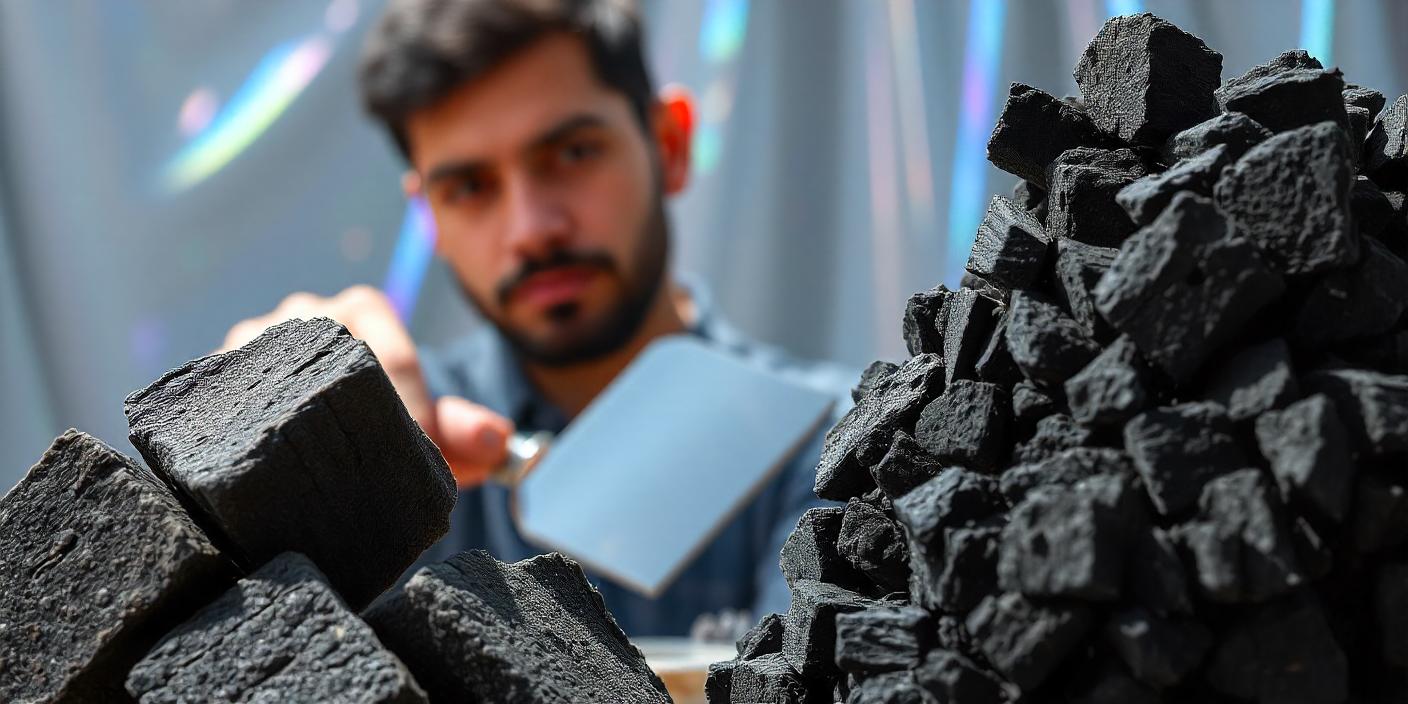
Environmentally friendly briquettes are solid blocks consisting of compacted biomass and function as a fuel replacement option. These briquettes are usually made from organic materials such as wood dust, rice husks, sugar dregs, coconut fiber and other agricultural residues.
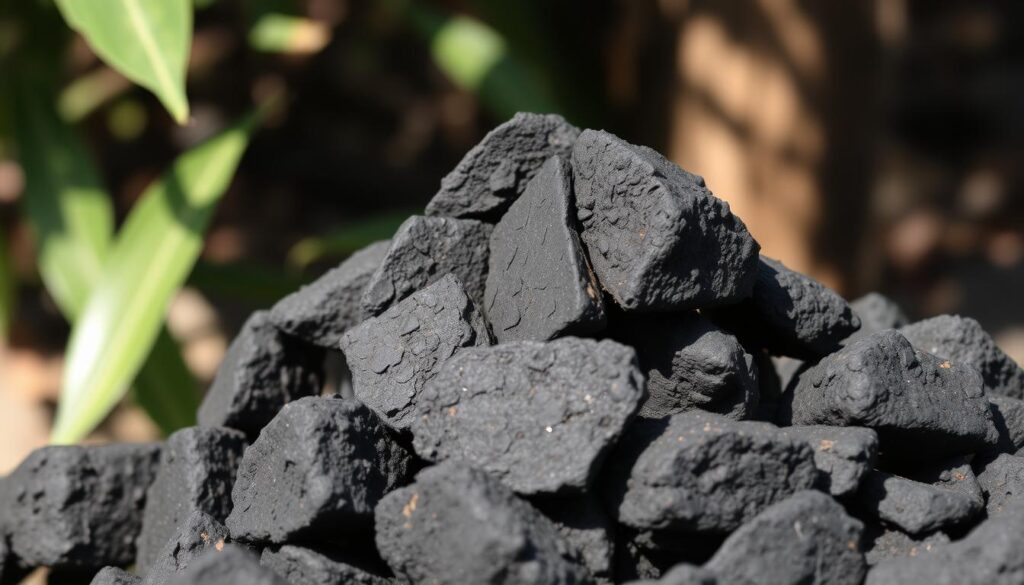
Benefits of Using Environmentally Friendly Briquettes
1. Carbon Emission Reduction
The main advantage of environmentally friendly briquettes is their ability to reduce carbon emissions. In contrast to coal which produces CO2 and other dangerous gases, briquettes produce lower emissions. Using biomass that absorbs CO2 during its growth, briquettes have a much lower carbon footprint, making them an effective solution to combat climate change and air pollution.
2. Sustainable and Renewable Energy Sources
Another advantage of environmentally friendly briquettes is that they are renewable. In contrast to limited fossil fuels, the biomass used for briquettes continues to be produced and can be renewed every year. As long as they are obtained sustainably, briquette production can continue indefinitely, making them a long-term energy solution that meets growing demand.
3. Waste Management and Waste Reduction
Briquette production offers a waste management solution by utilizing agricultural and industrial waste to produce energy. This reduces waste going to landfill and reduces pollution from open burning, supporting circular economy principles by turning waste into a resource.
4. Energy Efficiency and Cost Effectiveness
Briquettes have a high energy density, so they burn hotter and longer than wood or coal. This makes it a more efficient and affordable energy source, ideal for households and businesses looking for a cost-effective solution. The efficiency of briquettes also reduces fuel consumption, resulting in long-term cost savings.
5. Improved Air Quality and Health Benefits
Traditional fuels such as coal and wood produce harmful emissions that contribute to air pollution and health problems. In contrast, briquettes produce less smoke and harmful emissions, improving air quality, especially in areas that use biomass for cooking and heating. By reducing indoor air pollution, briquettes help prevent respiratory illnesses and other health problems.
6. Support for Local Communities and Job Creation
Environmentally friendly briquette production can have a positive impact on local economies, especially in rural areas, by creating jobs and income opportunities. The use of briquettes as a replacement for expensive traditional fuels also helps reduce energy costs, improving the quality of life for households and businesses.
Environmentally Friendly Briquette Making Process
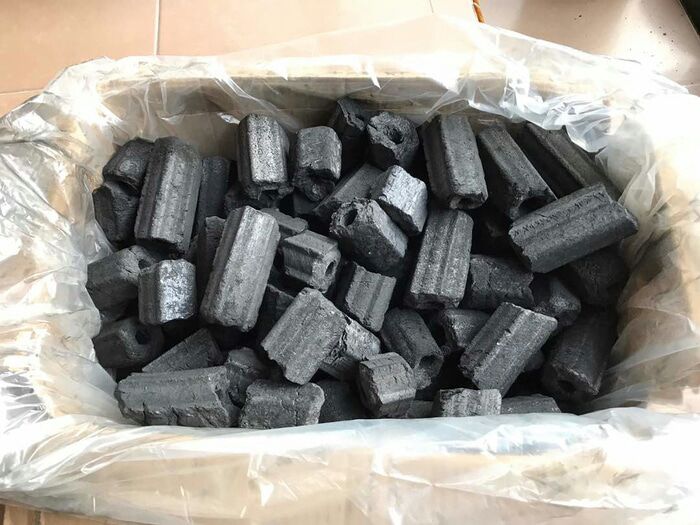
The process of making briquettes begins with collecting organic materials such as sawdust, rice husks and coconut fiber. These ingredients are dried to reduce the water content, then ground into a fine powder. The biomass powder is fed into a briquette press which applies high pressure to form a solid block. Some machines use heat to strengthen the briquettes. The resulting briquettes, without or with additional binders, are ready to be used as a renewable and low-emission energy source.
Conclusion
Eco-friendly briquettes offer effective solutions to energy, waste management and environmental protection challenges. By using organic waste materials, briquettes produce efficient renewable energy, providing a cleaner and more sustainable fuel alternative. The benefits of briquettes include reduced carbon emissions, improved air quality, reduced waste and job creation in local communities. As more individuals and industries turn to briquettes for energy needs, we are getting closer to a cleaner, greener and more sustainable future.

 ririn
ririn  Alan Ramadhani Setiawan
  rizqi
rizqi