
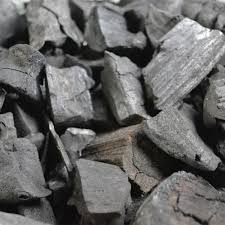
Sustainable charcoal is produced using environmentally friendly methods, such as harvesting from renewable resources or repurposing waste materials like coconut shells or sawdust.
Traditional charcoal production causes deforestation and releases high levels of carbon dioxide. In contrast, sustainable charcoal reduces ecological harm while delivering excellent cooking performance.
Benefits of Using Sustainable Charcoal
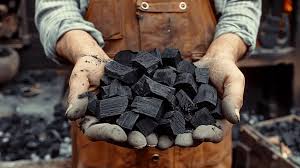
Switching to sustainable charcoal offers numerous advantages, including:
- Reduced Carbon Footprint, sustainable charcoal emits significantly less greenhouse gas compared to conventional options, making it an eco-conscious choice.
- Support for Ethical Practices, many sustainable charcoal brands adhere to responsible sourcing and fair labor standards.
- Healthier Cooking, sustainable charcoal burns cleaner, releasing fewer harmful chemicals, which can enhance the safety and taste of your food.
How to Choose the Right Sustainable Charcoal
When selecting sustainable charcoal, consider the following factors:
- Certifications, look for certifications like FSC (Forest Stewardship Council) that guarantee environmentally responsible production.
- Material Source, opt for charcoal made from renewable or recycled materials such as coconut shells, bamboo, or agricultural waste.
- Burn Quality, choose charcoal that burns efficiently, lasts longer, and produces minimal smoke for a better cooking experience.
Preparing Your Grill for Sustainable Cooking
A well-prepared grill ensures a successful cooking session:
- Remove old ash and residue from the grill to improve airflow and maintain even heat distribution.
- Check the grill’s vents to ensure they are clear and functional for proper temperature control.
- Use a chimney starter to light your sustainable charcoal without relying on lighter fluid, which can release harmful fumes.
Tips for Cooking with Sustainable Charcoal
- Preheat Your Grill, let the charcoal burn until it’s covered with a layer of white ash to achieve optimal cooking temperatures.
- Arrange the Charcoal
Set up direct and indirect heat zones based on the food you’re grilling. Sear meats over direct heat and cook vegetables over indirect heat to achieve the best results. - Monitor the Temperature
Use a grill thermometer to keep the heat consistent throughout the cooking process. - Enhance Flavor Naturally
Add natural wood chips like hickory or applewood to the charcoal to infuse your dishes with a smoky flavor.
Cleaning and Maintaining Your Grill
Regular maintenance keeps your grill in top condition and prolongs its lifespan:
- Clean the grill grates after each use with a stiff brush to prevent food buildup.
- Empty the ash pan regularly to avoid clogging the vents and affecting airflow.
- Store your grill in a covered, dry area to protect it from rust and weather damage.
Disposing of Charcoal Ash Responsibly
Dispose of charcoal ash properly to support eco-friendly cooking practices.
- Wait until the ash is completely cooled before handling it.
- Reuse the ash as a soil amendment in your garden, as it provides beneficial minerals like potassium and calcium.
- Don’t discard ash in non-biodegradable bags; instead, use compostable or recyclable containers.
Embracing Sustainable Grilling Practices
Enhance your sustainable cooking journey with simple, eco-friendly practices. Start by using grilling tools made from sustainable materials like bamboo or stainless steel. Transition to planning portions carefully and composting leftovers to minimize food waste. Additionally, opt for local and organic ingredients to support eco-friendly agriculture.
Cooking with sustainable charcoal reduces environmental impact while enhancing flavor. Take the next step toward a greener future by choosing sustainable options for your grilling sessions today.

 ririn
ririn  Alan Ramadhani Setiawan
  rizqi
rizqi