
Coconut Charcoal: Renewable Energy
As the world seeks sustainable alternatives to conventional energy sources, coconut charcoal has emerged as a promising solution. Derived from coconut shells, this renewable energy source not only utilizes waste materials but also offers numerous benefits for both industrial and domestic use. This article delves into why Coconut Charcoal: Renewable Energy is gaining traction and how it can be an integral part of a sustainable future.
What Is Coconut Charcoal?
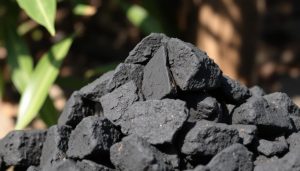
Coconut charcoal is a type of biochar produced by carbonizing coconut shells under controlled conditions. Unlike traditional charcoal derived from wood, coconut charcoal is made from agricultural waste, making it an eco-friendly alternative. The raw material, coconut shells, are abundant in tropical regions and are often discarded after the extraction of coconut meat and water.
Environmental Benefits of Coconut Charcoal
One of the main advantages of coconut charcoal is its positive environmental impact. By repurposing waste materials, the production of coconut charcoal reduces the volume of agricultural waste that would otherwise end up in landfills. Additionally, the carbonization process emits fewer greenhouse gases compared to the production of traditional charcoal.
Furthermore, coconut charcoal contributes to deforestation reduction. Traditional charcoal production often involves cutting down trees, a practice that significantly harms the environment. By using coconut shells, manufacturers can produce energy without depleting forest resources.
Applications of Coconut Charcoal
Coconut charcoal has a wide range of applications, including:
- Cooking and Grilling: Coconut charcoal burns longer and produces consistent heat, making it ideal for cooking. It also generates less smoke and odor, enhancing the grilling experience.
- Industrial Use: Many industries utilize coconut shell charcoal briquette as a fuel source due to its high energy efficiency and low ash content.
- Water Filtration: The porous nature of coconut charcoal makes it an excellent material for water purification. Activated coconut charcoal effectively removes impurities, making water safe for consumption.
- Cosmetics and Health Products: Coconut charcoal is often used in skincare products and oral hygiene due to its natural detoxifying properties.
Why Coconut Charcoal Is Renewable Energy
The renewable nature of coconut charcoal lies in its raw material. Coconut trees produce coconuts year-round, ensuring a continuous supply of shells for charcoal production. Moreover, the entire process—from harvesting to carbonizing—is sustainable and contributes to a circular economy. By adopting Coconut Charcoal: Renewable Energy, communities in tropical regions can create value from waste while minimizing environmental harm.
Challenges and Opportunities
While coconut charcoal presents numerous advantages, there are challenges to its widespread adoption. These include limited awareness about its benefits and the initial investment required for production facilities. However, increasing demand for sustainable energy solutions and government incentives for green technologies create significant opportunities for growth in the coconut charcoal industry.
The Future of Coconut Charcoal
As awareness of environmental sustainability grows, coconut charcoal is poised to become a key player in the renewable energy sector. By addressing the challenges and promoting the use of coconut shell charcoal briquette, manufacturers and consumers can contribute to a greener future.
Governments and organizations can also play a pivotal role by supporting research and development initiatives that improve the efficiency of coconut charcoal production. Additionally, educating communities about the benefits of Coconut Charcoal: Renewable Energy can drive adoption and create new economic opportunities.
Coconut charcoal represents a practical and sustainable energy solution. Its ability to repurpose waste materials, reduce deforestation, and provide versatile applications makes it an excellent alternative to traditional energy sources. By embracing Coconut Charcoal: Renewable Energy, we take a significant step toward achieving a cleaner, greener future for generations to come.

 ririn
ririn  Alan Ramadhani Setiawan
  rizqi
rizqi