
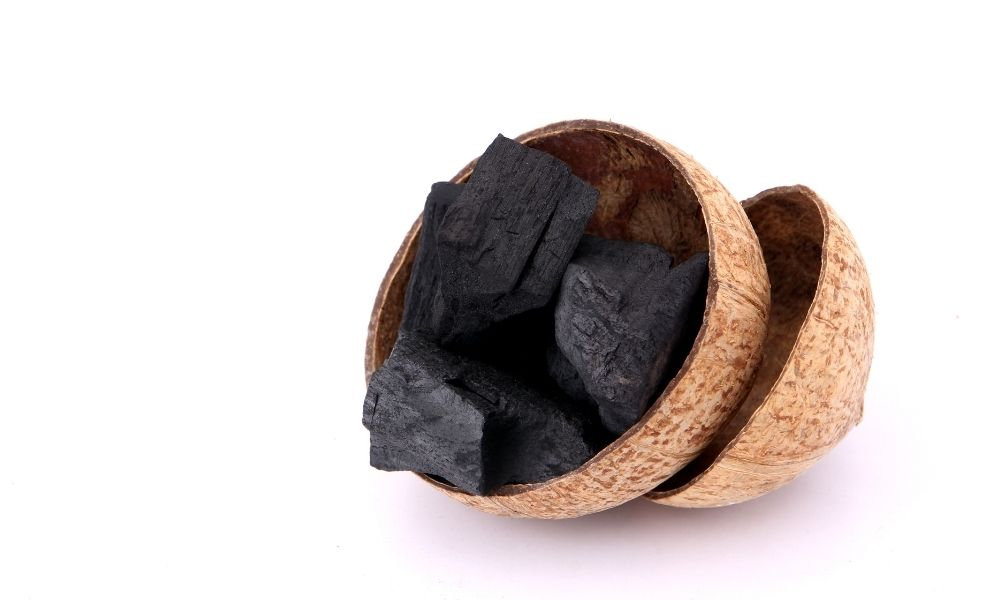
The coconut charcoal industry is rapidly expanding as global demand for eco-friendly fuel sources continues to rise. With the growing awareness of environmental sustainability, many businesses and consumers are shifting to coconut charcoal as a cleaner and more efficient alternative to traditional wood charcoal. This industry not only supports sustainable practices but also provides economic benefits to coconut-producing countries.
Why Coconut Charcoal is Gaining Popularity
Coconut charcoal offers several advantages over conventional charcoal. First, it is made from coconut shells, a byproduct of the coconut industry, which helps reduce waste. Second, it burns longer and produces less smoke, making it an excellent choice for both cooking and industrial applications. Additionally, it contains no harmful chemicals, making it a safer option for grilling and barbecuing.
Many countries, especially in Asia, Africa, and South America, have recognized the potential of the coconut charcoal industry. They are investing in processing facilities and innovative technologies to enhance production efficiency. As a result, coconut charcoal is becoming a preferred choice in international markets, particularly in Europe and the United States.
Economic Benefits of the Coconut Charcoal Industry
This industry plays a significant role in supporting local economies. Coconut farmers benefit from an additional revenue stream by selling coconut shells, which were previously considered waste. Small and medium enterprises (SMEs) involved in charcoal production also experience growth, creating job opportunities and boosting regional development.
Moreover, international trade of coconut charcoal has surged, with major importers looking for high-quality and eco-friendly alternatives to traditional fuel sources. The increased demand has encouraged innovation, leading to the development of various charcoal-based products such as briquettes, activated carbon, and water purification filters.
Sustainable Practices in Coconut Charcoal Production
One of the key strengths of the coconut charcoal industry is its commitment to sustainability. Unlike wood charcoal, which often contributes to deforestation, coconut charcoal utilizes waste materials. Manufacturers are also adopting environmentally friendly production techniques, such as low-emission kilns and carbonization methods that minimize air pollution.
Furthermore, many producers are obtaining certifications such as FSC (Forest Stewardship Council) and organic labels to ensure their products meet international environmental standards. These efforts not only improve the industry’s reputation but also attract eco-conscious consumers.
Challenges and Future Prospects
Despite its rapid growth, the coconut charcoal industry faces challenges. The supply chain requires significant investment in infrastructure, and quality control is crucial to maintaining global competitiveness. Additionally, fluctuating raw material availability due to climate change can impact production consistency.
However, with continuous innovation and government support, the industry is expected to thrive. Researchers are exploring advanced carbonization techniques to enhance efficiency, while policymakers are implementing initiatives to encourage sustainable practices. As consumer awareness about eco-friendly alternatives increases, the coconut charcoal industry is poised for long-term success.
Conclusion
The coconut charcoal industry is an emerging powerhouse in the global market, offering economic and environmental benefits. Its sustainable production methods, high-quality output, and rising demand make it a promising sector for future growth. With continuous advancements and support from stakeholders, coconut charcoal is set to become a key player in the sustainable energy landscape.

 ririn
ririn  Alan Ramadhani Setiawan
  rizqi
rizqi