
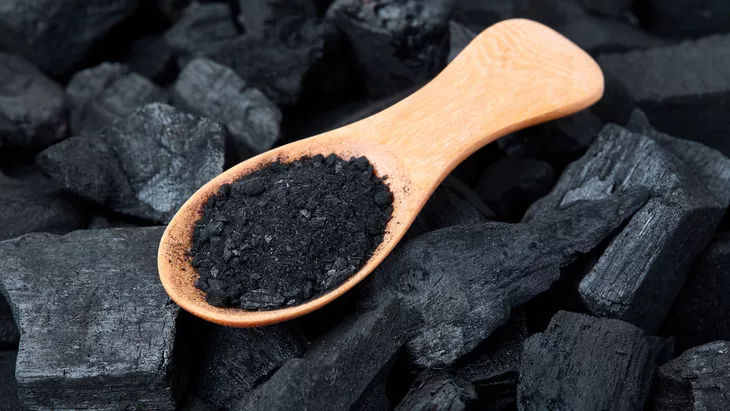
Coconut charcoal briquettes with uniform heat distribution have emerged as a popular choice for grilling, barbecuing, and cooking due to their superior heat management properties. Unlike traditional charcoal, coconut briquettes are made from renewable coconut shells, offering a more sustainable and eco-friendly option. One of their standout features is their ability to provide uniform heat distribution, which significantly enhances cooking efficiency and food quality. This article explores the key points regarding coconut charcoal briquettes with uniform heat distribution, highlighting their benefits, production process, applications, and environmental impact.
1. Introduction to Coconut Charcoal Briquettes
Coconut charcoal briquettes are made from carbonized coconut shells, which are a byproduct of the coconut industry. When processed into briquettes, these shells undergo a series of steps, including cleaning, carbonization, and briquetting, resulting in a fuel source that is both sustainable and efficient. Unlike conventional charcoal, which often comes from hardwoods and can contribute to deforestation, coconut briquettes utilize agricultural waste, thus promoting a circular economy.
The use of coconut shells not only reduces waste but also produces a high-quality fuel with excellent burning characteristics. One of the most significant advantages of coconut charcoal briquettes is their ability to maintain a consistent and uniform heat throughout the cooking process.
2. Benefits of Uniform Heat Distribution
a. Consistent Cooking Results
Uniform heat distribution is crucial for achieving consistent cooking results. When charcoal burns evenly, it ensures that food cooks uniformly, preventing unevenly cooked spots or burnt edges. This is particularly important for grilling meats, vegetables, and other delicate items, as uneven heat can lead to overcooking or undercooking.
Coconut charcoal briquettes produce steady and even heat, allowing cooks to have better control over their grilling processes. This consistency not only enhances the flavor and texture of the food but also improves the overall dining experience.
b. Reduced Cooking Time
The uniform heat generated by coconut charcoal briquettes can significantly reduce cooking time. Because they provide consistent high heat, food can cook more quickly and evenly. This efficiency is especially beneficial during busy cooking sessions or when preparing meals for large gatherings, as it allows chefs to serve food faster without compromising quality.
Additionally, shorter cooking times can lead to lower fuel consumption, making coconut charcoal briquettes a cost-effective option for both home cooks and commercial kitchens.
c. Better Flavor Retention
Coconut charcoal briquettes produce minimal smoke and odor when burned, ensuring that the natural flavors of the food are preserved. The uniform heat distribution further enhances this aspect, as it allows for even cooking without the risk of burning or charring, which can introduce undesirable flavors.
For grilling enthusiasts, maintaining the original taste of the ingredients is essential. Coconut charcoal briquettes provide the right environment for achieving perfectly cooked dishes while enhancing the natural flavors without overpowering them with smoke or harsh odors.
3. Production Process of Coconut Charcoal Briquettes
Understanding the production process of coconut charcoal briquettes is essential to appreciate their benefits. The process generally involves the following steps:
a. Collection of Coconut Shells
The first step in producing coconut charcoal briquettes is the collection of coconut shells from coconut processing facilities. These shells, often considered agricultural waste, are gathered and cleaned to remove any organic material or dirt.
b. Carbonization
The cleaned coconut shells are then subjected to a carbonization process. This involves heating the shells in a low-oxygen environment, which converts them into charcoal. This process removes volatile compounds and transforms the organic material into pure carbon.
c. Grinding and Mixing
After carbonization, the charcoal is ground into a fine powder. This powder is then mixed with natural binders, such as starch, to help form the briquettes. The addition of binders ensures that the briquettes hold their shape during the burning process.
d. Briquetting
The mixture of charcoal powder and binders is then pressed into uniform briquette shapes using hydraulic or mechanical presses. This step ensures that each briquette has a consistent size and shape, which contributes to even burning and heat distribution.
e. Drying and Packaging
Finally, the briquettes are dried to remove any residual moisture, which can affect their burning efficiency. Once dried, the coconut charcoal briquettes are packaged and ready for distribution.
4. Applications of Coconut Charcoal Briquettes
Coconut charcoal briquettes are versatile and can be used in various applications:
a. Grilling and Barbecuing
Coconut charcoal briquettes are widely used for grilling and barbecuing due to their ability to provide consistent heat. They are suitable for various grilling techniques, from direct grilling to indirect cooking, making them a favorite among outdoor cooking enthusiasts.
b. Indoor Cooking
Coconut briquettes can also be used for indoor cooking, especially in stoves designed for charcoal use. Their clean-burning properties make them an excellent option for indoor grilling, hot pot, and other cooking methods.
c. Industrial Heating
In addition to home cooking, coconut charcoal briquettes are increasingly used in industrial applications for heating purposes. Their high calorific value and low emissions make them suitable for use in factories and food processing facilities, where efficient and clean heating is essential.
d. Activated Carbon Production
Coconut charcoal, the raw material for briquettes, can also be processed into activated carbon. Activated coconut charcoal is widely used in air and water filtration systems, thanks to its porous structure and excellent adsorptive properties.
5. Environmental Impact of Coconut Charcoal Briquettes
Coconut charcoal briquettes have a positive environmental impact compared to traditional charcoal and fossil fuels:
a. Renewable Resource
Coconut briquettes are made from renewable coconut shells, which are a byproduct of the coconut industry. By utilizing agricultural waste, the production of coconut briquettes helps reduce waste and supports sustainable practices.
b. Low Carbon Emissions
Coconut briquettes produce fewer carbon emissions when burned compared to traditional charcoal and fossil fuels. Their carbon-neutral status means that the carbon released during combustion is offset by the carbon absorbed by the coconut trees during their growth.
c. Reduced Deforestation
Using coconut shells for charcoal production eliminates the need for harvesting trees for fuel. This helps combat deforestation and preserves natural habitats, contributing to biodiversity conservation.
d. Minimal Environmental Pollution
Coconut charcoal briquettes produce minimal smoke and ash, leading to cleaner air quality and reduced environmental pollution. Their efficient burning properties ensure that they do not contribute to air quality degradation.
6. Economic Advantages of Coconut Charcoal Briquettes
Beyond their environmental benefits, coconut charcoal briquettes offer several economic advantages:
a. Job Creation
The production of coconut charcoal briquettes creates job opportunities in coconut-growing regions. Small and medium-sized enterprises (SMEs) can thrive by producing and exporting these eco-friendly briquettes, contributing to local economies.
b. Cost-Effectiveness
While the initial cost of coconut briquettes may be higher than traditional charcoal, their long burn time and efficient heat output make them a more economical choice in the long run. Users require fewer briquettes to achieve the same level of heat, resulting in savings over time.
c. Global Market Potential
As awareness of sustainable cooking options grows, the demand for coconut charcoal briquettes is increasing. This trend opens new markets for coconut-producing regions, allowing them to capitalize on the global shift toward eco-friendly products.
Coconut charcoal briquettes with uniform heat distribution represent an innovative and sustainable alternative to traditional charcoal and fossil fuels. Their ability to provide consistent, high-quality heat enhances the cooking experience while preserving the natural flavors of food. The eco-friendly production process, low carbon emissions, and economic advantages make coconut briquettes a valuable choice for both consumers and businesses.
As more people seek environmentally conscious options for grilling and cooking, coconut charcoal briquettes stand out as a reliable solution that promotes sustainability and efficiency. By choosing coconut briquettes, individuals can contribute to a greener future while enjoying delicious, perfectly cooked meals.

 ragil faiq
  ririn
ririn  Alan Ramadhani Setiawan